SimpleSwap
Non-custodial crypto wallet across three platforms (Mobile App, Web App, Browser Extension)
INDUSTRY:
FINTECH, WEB3
YEAR:
2022
EXPERIENCE:
PRODUCT DESIGN
about.
My role : Worked as part of a product team alongside a product manager, analysts, and developers.
My Responsibilities: Conduct UX research (UX testing, A/B tests, customer development), monitor funnels, improve existing design and develop new features, maintain and expand the UI kit and design patterns.
01. Context
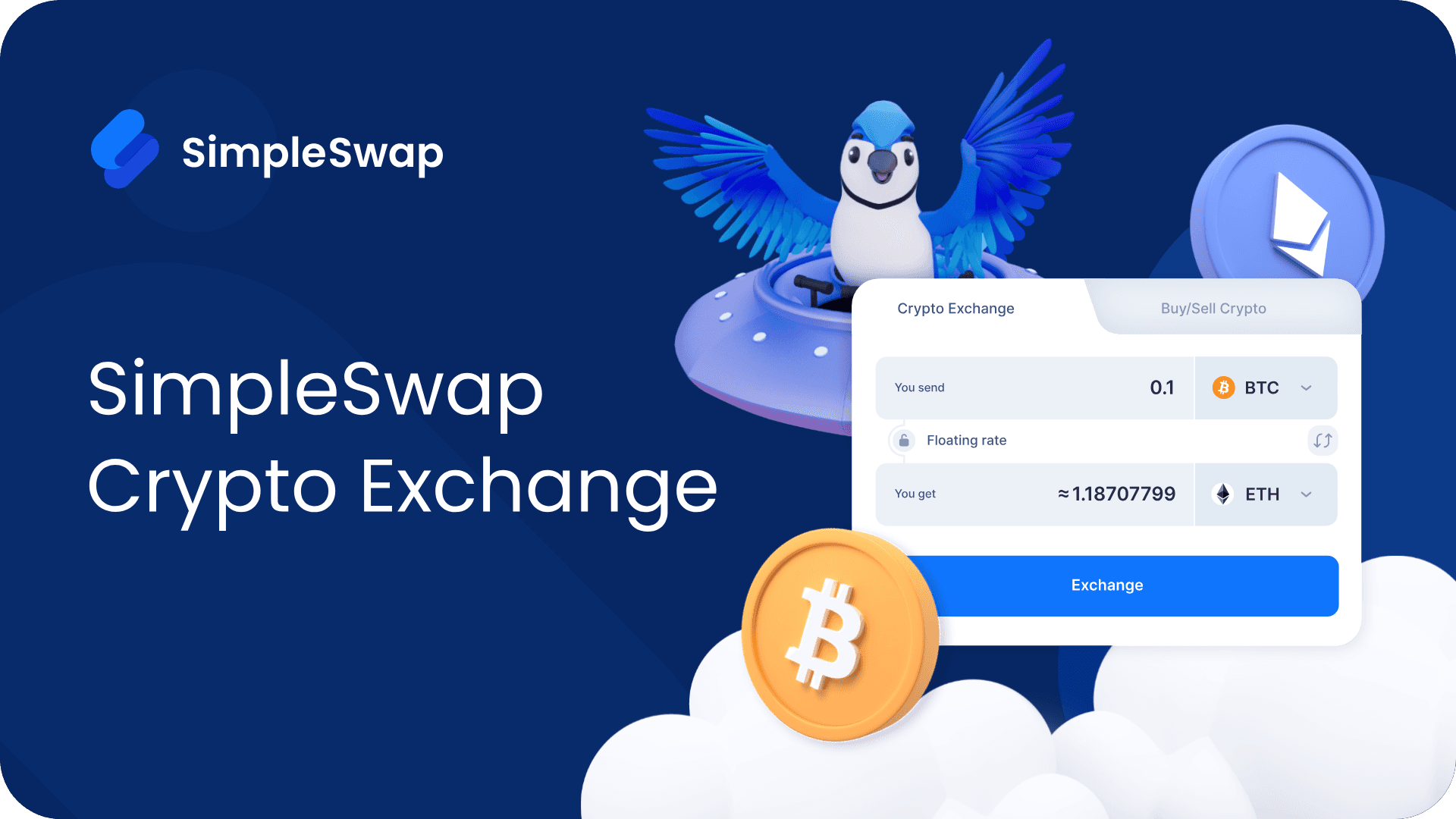
Crypto exchange and purchase are core functions of a crypto wallet — they directly impact conversion, user retention, and transaction volume.
Despite high traffic, a large percentage of users didn’t complete the exchange flow. Moreover, over 50% of completed exchanges were made through external wallet addresses, which meant funds didn’t stay within our ecosystem. As a result, we missed out on potential revenue from future transactions – a critical issue for the product’s value and business performance.
This needed to be fixed, as it directly affected both the product’s perceived value and key business metrics.
02. Research
03. Insights ✨
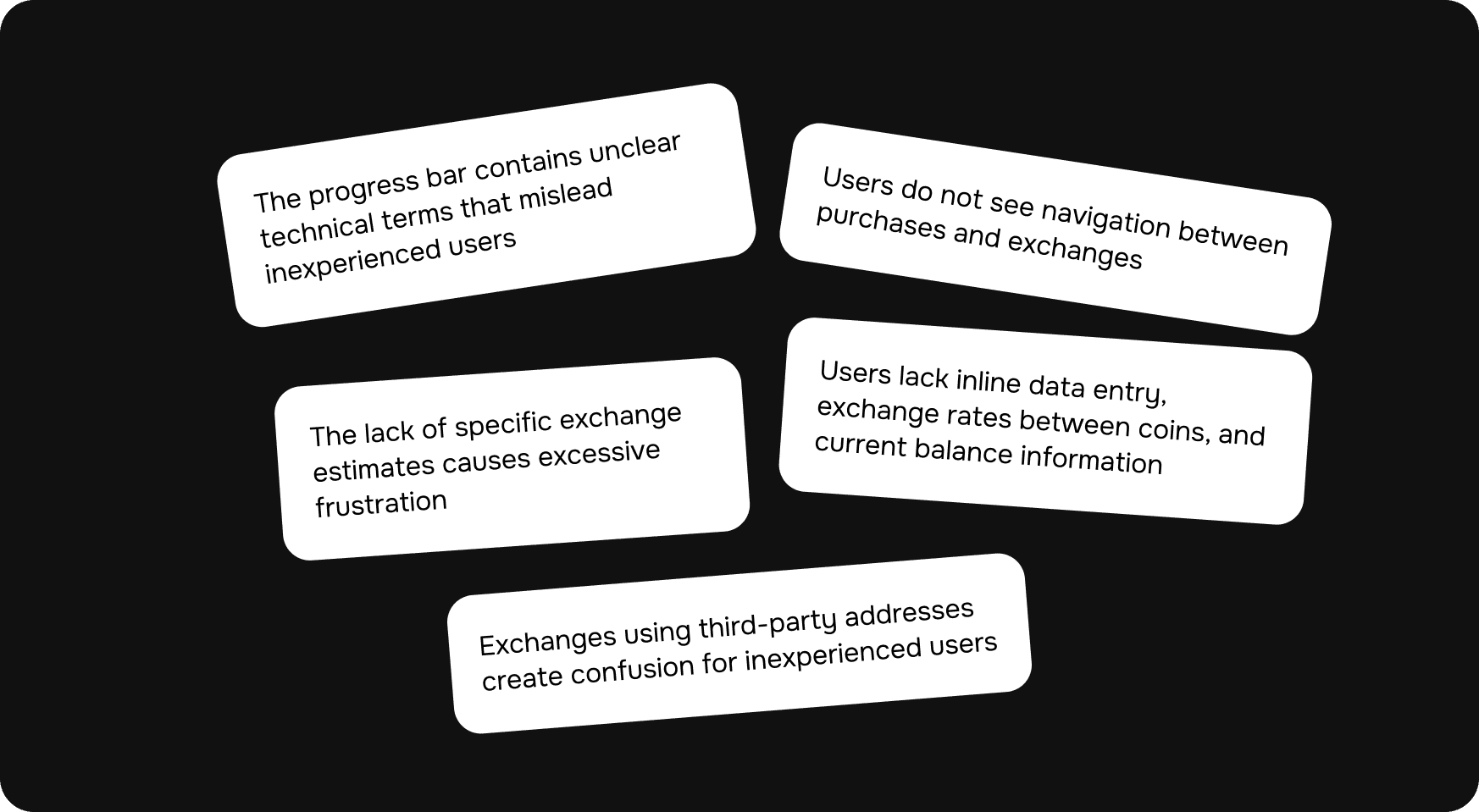
The research revealed several key issues affecting conversion and user trust.
04. Solution
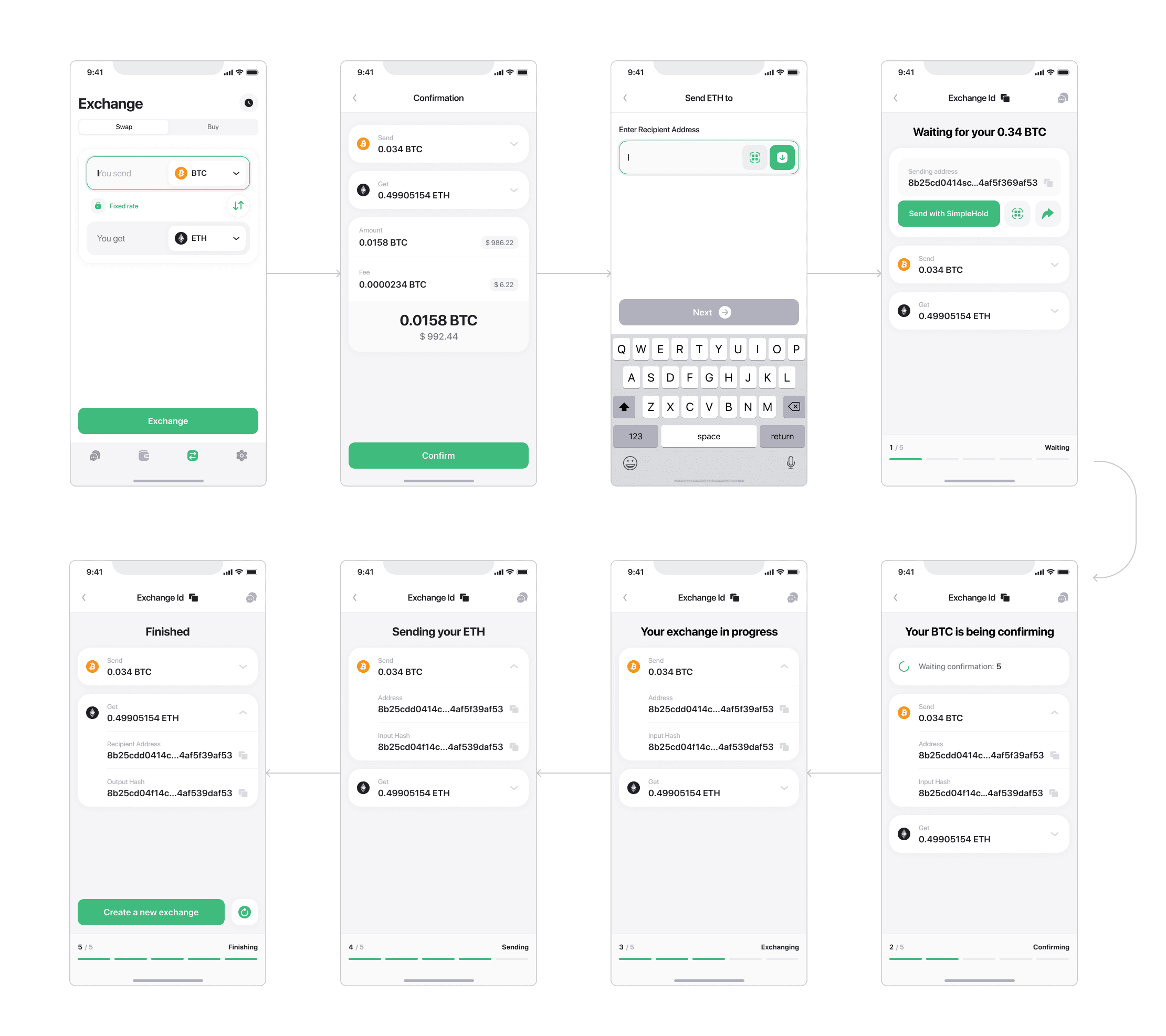
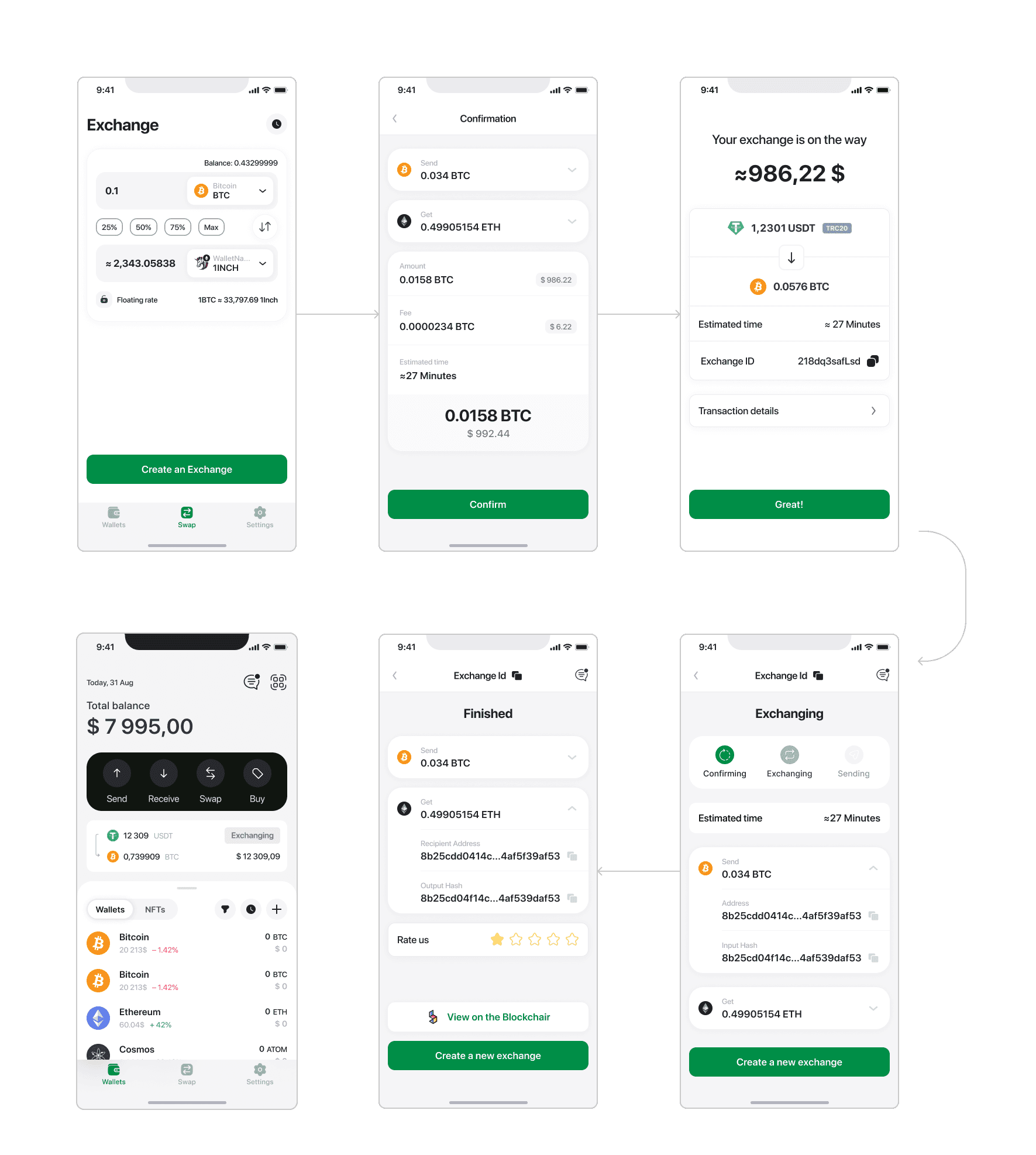
To address the identified issues and validate our hypotheses, I implemented the following changes:
Separated exchange and purchase into two distinct entities
Optimized the progress bar into a single screen and described the process using more accessible language
Removed the ability to exchange between external wallet addresses to retain user funds within our wallet
Added an estimated completion time on the exchange confirmation screen
Introduced quick amount input buttons for both exchange and purchase flows
Added available balance and current exchange rate information to the main exchange screen
Added a widget to the wallet home screen displaying the status of ongoing exchanges and a countdown timer until completion
[ Results ]
Key Results & Impact
0%
0%